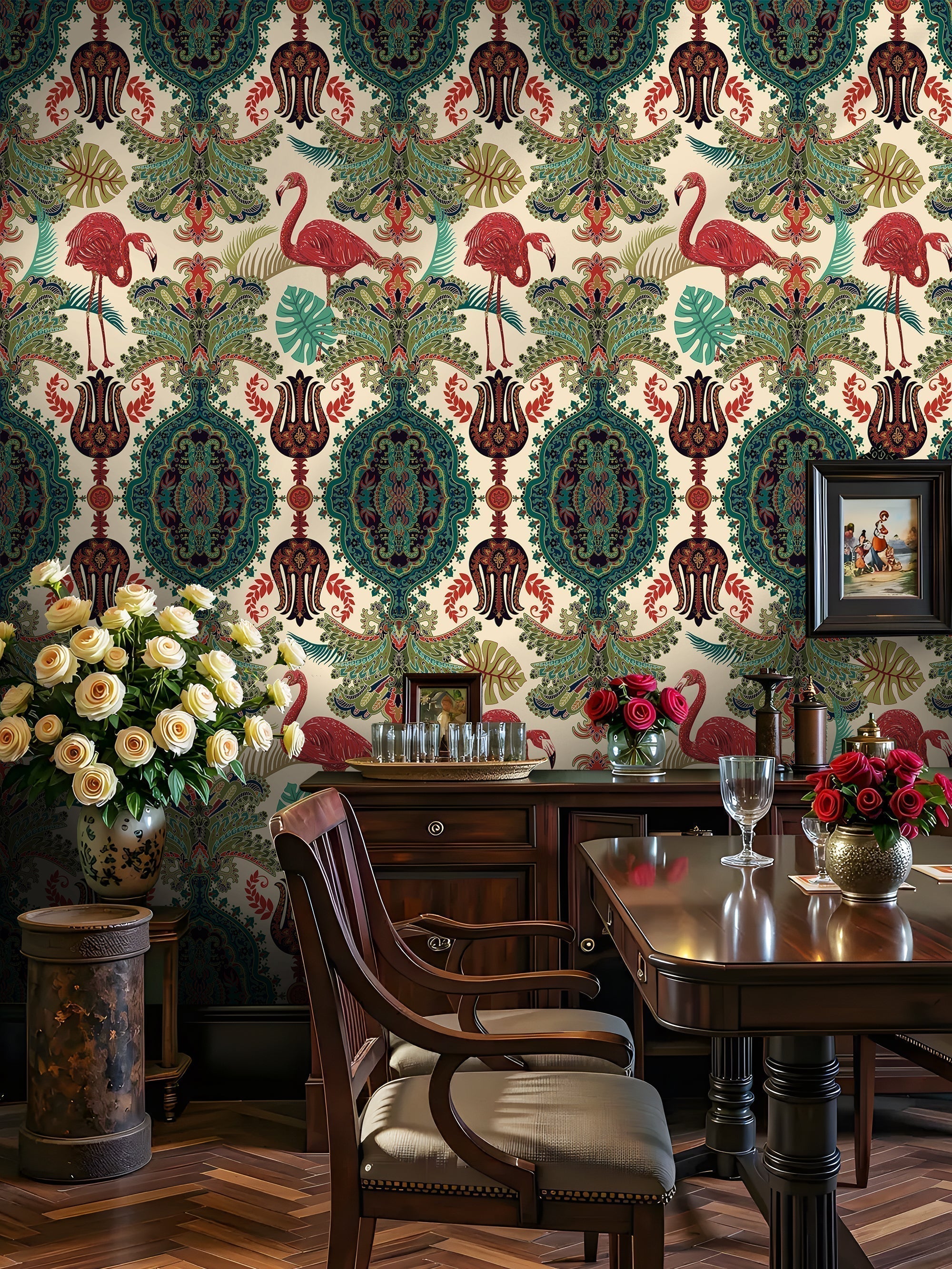

Wallpaper remains one of the easiest ways to change the look of a room without major renovations. Whether refurbishing a bathroom, transforming a basement, or adding personality to a laundry room, wallpaper can instantly change the overall look and atmosphere of a space.
However, if your walls feel damp or cold, you might wonder if wallpaper is really a good idea.
The answer depends on the cause and severity of the dampness.
While wallpaper should never be used to cover up leaks or severe water stains, many homeowners have successfully installed wallpaper in bathrooms, kitchens, and other high-humidity areas after properly preparing the walls and choosing the right materials.
Before starting installation, it's important to understand how moisture affects wallpaper and what steps can be taken to ensure a lasting effect.

I. Why do damp walls cause problems for wallpaper?
Wallpaper works best on a clean, dry, and smooth surface. If too much moisture remains on the back of the wallpaper, various problems may occur over time.
Peeling and curled edges
One of the early signs of wallpaper failing due to moisture is that the seams curl or the edges peel. Excessive moisture gradually weakens the adhesive, causing the wallpaper to separate from the wall.
Growth of mold and powdery mildew
When moisture lingers behind wallpaper, it creates a poorly ventilated and dimly lit environment. This environment is highly conducive to mold growth, which can damage not only the wallpaper but also the wall underneath.
Stains and discoloration
Water vapor passing through walls can leave yellow stains, dark patches, or faded areas on wallpaper. Once these marks appear, they are usually difficult to remove unless the wallpaper is replaced.
Foaming and foaming
Moisture buildup under the wallpaper can create air bubbles and voids, resulting in an uneven surface and affecting the overall aesthetics of the room.
Therefore, it is generally not recommended to paste traditional wallpaper directly on damp walls.
II. How to check if the walls are too damp
Before buying wallpaper, it's best to take a few minutes to assess the condition of your walls.
1. Conduct a visual inspection.
Pay close attention to the following common warning signs:
- water stains
- black spots
- Mold growth
- Paint peeling
- plaster cracking
These problems usually indicate an underlying moisture issue.
2. Try the plastic sheet test.
Use tape to firmly stick the transparent plastic film to the wall and leave it there for 24 hours.
If condensation appears under the plastic film, it indicates that moisture may be seeping through the wall, and this issue should be addressed before installing the wallpaper.
3. Pay attention to ground conditions.
Even without obvious damage, if the walls consistently feel cold, damp, or slightly sticky, they may still contain too much moisture.
III. Can wallpaper be used in bathrooms and other damp rooms?
Many people think that wallpaper and bathrooms don't match at all.
In fact, modern wallpaper materials have made significant progress over the past decade. Today, wallpaper is commonly used in bathrooms, guest bathrooms, laundry rooms, and kitchens. The key is understanding the difference between humidity and water damage.
Bathrooms become steamy during showers but dry quickly, a stark contrast to walls that constantly leak or are chronically damp. If the room is well-ventilated and the walls are in good condition, wallpaper can be an excellent design choice.

IV. How to treat damp walls before wallpapering
If there are dampness issues, it is crucial to be well-prepared.
1. Identify and resolve the source of dampness.
Before wallpapering, please check if the room has any of the following conditions:
- Pipe leak
- Leaking windows
- Leaking roof
- Exterior wall leakage
Wallpaper should never be used to cover up unresolved leaks.
2. Allow the wall surface to dry completely.
Depending on the level of humidity, this may include:
- Open the window
- Improve ventilation
- Fan running
- Use a dehumidifier
Allowing the wall surface sufficient drying time can significantly improve the construction results.
3. Remove damaged materials
Before installing wallpaper, any loose paint, moldy coatings, or damaged wall materials should be removed.
A smooth and stable surface helps wallpaper adhere firmly and extends its lifespan.
4. Apply a suitable primer
High-quality primer can create a more uniform surface and improve adhesion, especially on previously repaired walls.
V. Which type of wallpaper is best suited for damp spaces?
Not all wallpaper materials perform the same way in humid environments.
Traditional paper wallpaper absorbs moisture over time, making it unsuitable for use in bathrooms, laundry rooms, and kitchens.
Vinyl wallpaper is generally considered a better option because it has better moisture resistance and is easier to clean.
When choosing wallpaper for a damp room, consider the following characteristics:
- Waterproof surface
- Washable
- Sturdy and durable
- Easy to maintain
- Strong adhesive
Choosing the right material can greatly extend the lifespan of wallpaper and reduce future maintenance issues.
VI. Choose waterproof wallpaper suitable for daily humidity levels.
While wallpaper cannot solve serious dampness problems, it is a practical solution for indoor rooms with normal humidity levels.
This is why many homeowners choose self-adhesive wallpaper made of durable PVC material.
Unlike traditional paper wallpaper, waterproof PVC wallpaper is designed to resist everyday moisture, making it easier to maintain in bathrooms, kitchens, laundry rooms, and washrooms.
The washable surface also makes cleaning easy. Everyday splashes of water, fingerprints, and minor stains can usually be wiped clean with a damp cloth, which helps the wallpaper maintain its beauty for a long time.
HaokHome's self-adhesive wallpaper series is made of waterproof and easy-to-clean PVC material, designed specifically for modern living spaces. Its easy installation, removable adhesive, and excellent moisture resistance make it ideal for homeowners looking to renovate damp areas without using traditional wallpaper.

VII. Conclusion
So, is it okay to put wallpaper on a damp wall?
If your walls have problems such as leaks, severe damp damage, or persistent water seepage, you should always fix the underlying issues before installing wallpaper. However, if the indoor humidity is normal and the walls are clean, dry, and properly prepared, wallpaper remains a beautiful and practical decorating option. Understanding your wall condition, properly treating your walls, and choosing moisture-resistant wallpaper materials will help ensure your walls maintain their beauty for years to come.